
Infant incubator vs infant warmer: what is the right choice?
Both devices keep small babies warm, but they are built for different jobs. If you are searching for an infant incubator, you may actually need a warmer for transport, stabilisation or a low-resource ward.
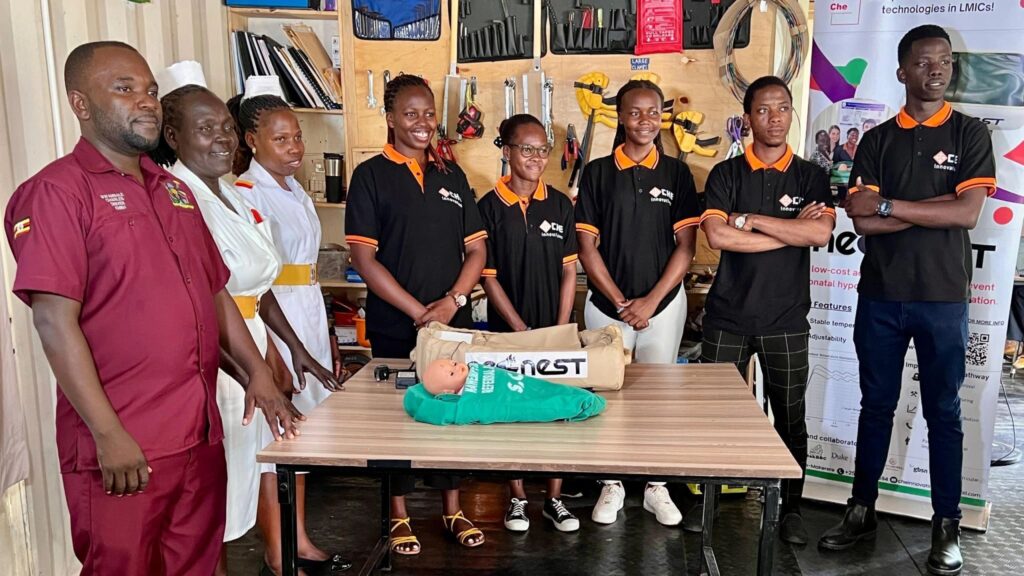
Incubators create a controlled micro-climate. Warmers deliver fast, radiant heat where babies need it most.
An infant incubator is a closed, temperature- and humidity-controlled box. It is excellent for very pre-term or unstable babies who need a stable environment for hours or days. An infant warmer is an open bed with an overhead radiant heat source. It gives clinicians immediate access during resuscitation, transport and short procedures, and it is far easier to move, clean and repair.
How incubators and warmers compare
| Feature | Infant incubator | Infant warmer |
|---|---|---|
| Heat source | Enclosed, convective warm air | Open, radiant heat from above |
| Humidity control | Yes, adjustable | Usually not built-in |
| Clinical access | Limited by ports and doors | Full, unobstructed access |
| Best for transport | Bulky, fragile, needs power | Lightweight, battery or vehicle powered |
| Cleaning & maintenance | Complex, specialised parts | Simple surfaces, local parts |
| Typical cost | USD 3,000 – 15,000 imported | USD 100 – 3,000 depending on design |
| Ideal setting | NICU, long-term stabilisation | Delivery room, ambulance, referral transit |
The gap between the ward and the referral hospital is where hypothermia happens.
In Uganda and many low- and middle-income countries, the biggest cause of preventable newborn death is not a lack of incubators in the NICU. It is the cold a baby faces on the way there. Incubators are rarely designed to leave the ward. Warmers, especially lightweight transport warmers, can travel with the baby.
- Ambulance-ready. Battery or vehicle-powered warmers keep babies warm during bumpy referral journeys.
- Rapid warming. Radiant heat reaches the baby quickly, which matters during golden-hour resuscitation.
- Local repair. Simple construction means broken units can be fixed with locally available parts and skills.
- Lower cost. A fraction of the price of an imported incubator, so more units can reach more facilities.
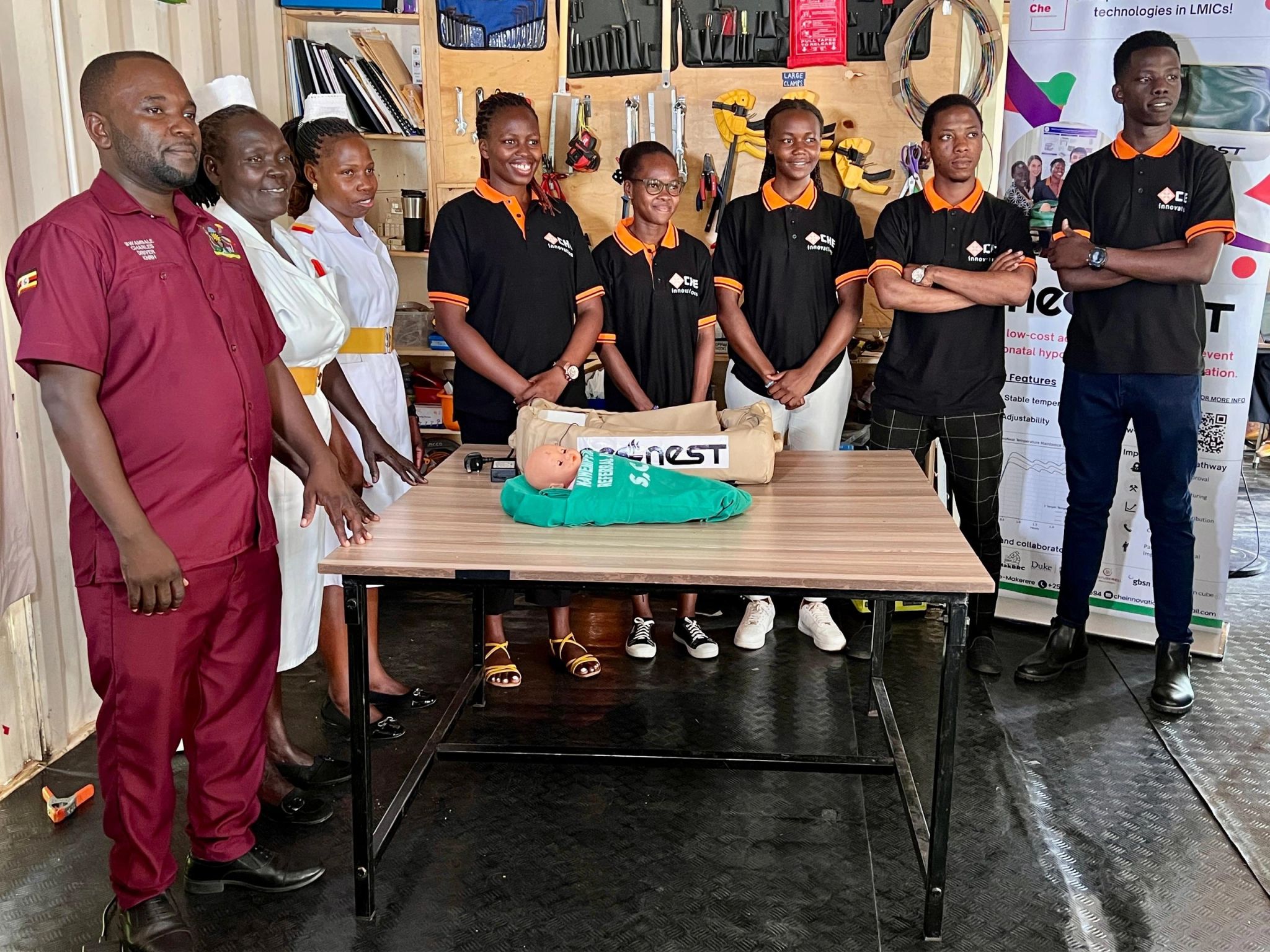
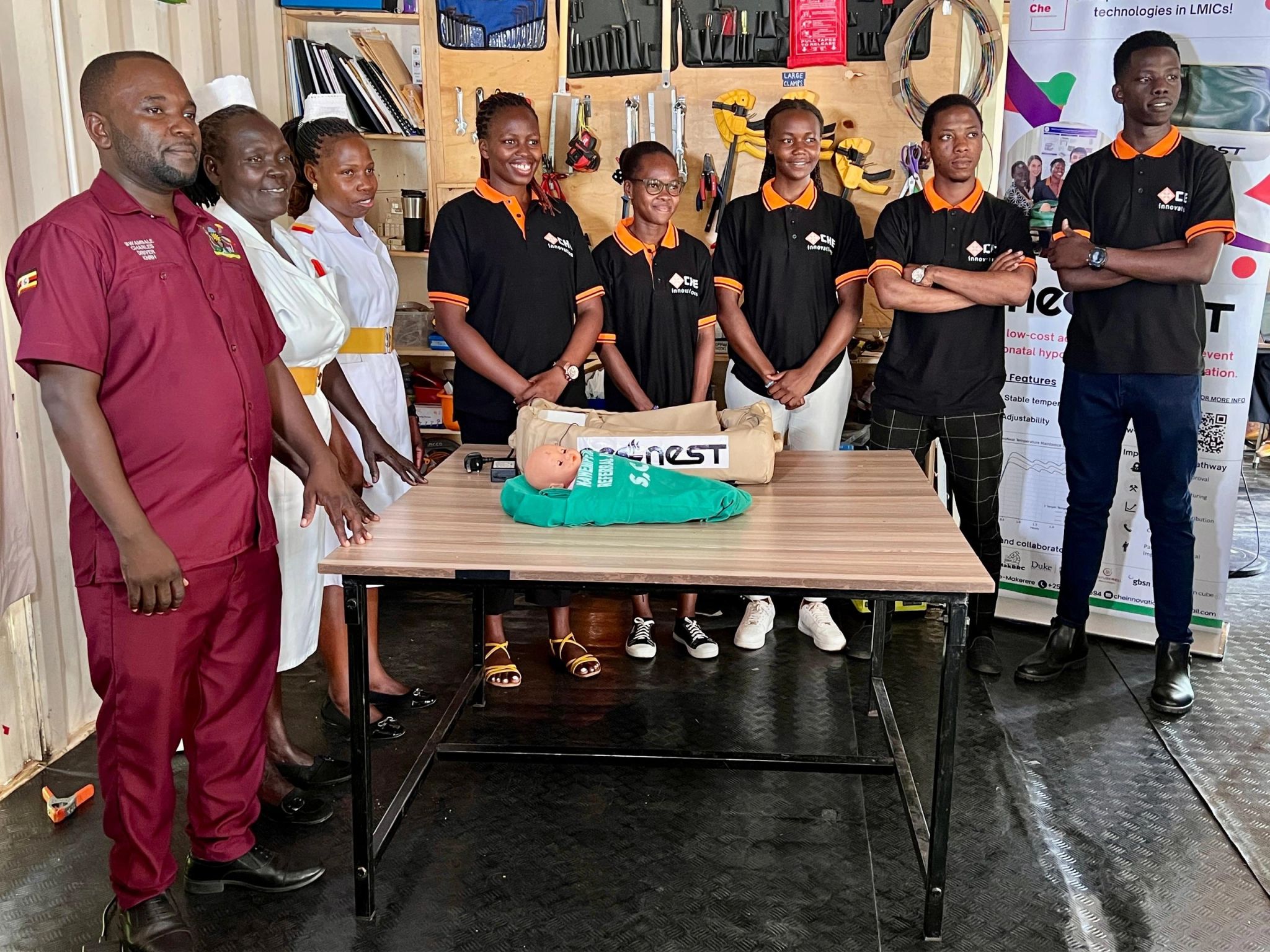
NeoNest is a transport infant warmer built for low-resource realities.
NeoNest combines the rapid radiant warming of an infant warmer with a portable, transparent shell that protects the baby during transit. It is made from locally available materials, costs roughly USD 100 to produce, and was co-designed with Ugandan nurses, midwives and ambulance crews.
Which device does your team need?
Choose an incubator if...
- The baby is very pre-term or critically unstable
- You need precise humidity and oxygen control for days
- The unit will stay in a NICU or special-care baby unit
- Budget and servicing infrastructure are available
Choose a warmer if...
- You need unobstructed access during resuscitation
- Babies are moved between facilities or wards
- Power supply, spare parts or servicing are limited
- You want a lower-cost, locally maintainable option
Frequently asked questions
- Can a warmer replace an incubator?
- Not for every baby. Warmers are best for stabilisation, transport and short-term care where full humidity and oxygen control are not required. Very pre-term or unstable babies still benefit from an incubator for longer stays.
- Why are transport warmers important in low-resource settings?
- Referral hospitals are often far from rural clinics. Without warming during transit, babies arrive hypothermic, which raises mortality and complicates treatment. A portable warmer closes that gap.
- Is NeoNest a warmer or an incubator?
- NeoNest is best described as a transport infant warmer. It delivers radiant heat in a lightweight, portable enclosure designed for moving babies safely between facilities.
- How much does an infant warmer cost compared to an incubator?
- Imported incubators typically cost USD 3,000–15,000. Locally made warmers such as NeoNest are designed to cost around USD 100 to produce, making them far more scalable in resource-limited settings.
See whether NeoNest fits your ward or ambulance.
We are happy to walk through your workflow, answer clinical questions and arrange a demonstration.